History
The Doune has long been home to remarkable people and extraordinary stories. Its past is woven with courage, naval heroism, and Victorian elegance
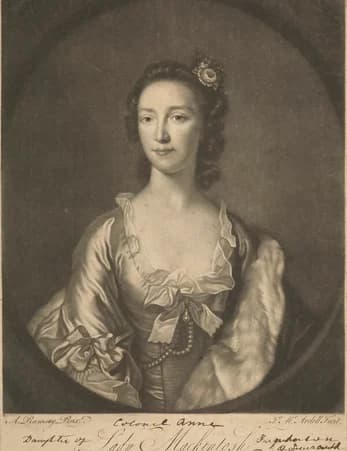
THE JACOBITE RISING · 18TH CENTURY
Colonel Anne
One of the most captivating tales connected to The Doune is that of Lady Anne Farquharson‑MacKintosh — known throughout history as Colonel Anne, heroine of the clan whose dowager house this estate later became. Married to Clan Chief Angus Mackintosh, she became a fierce and passionate supporter of Prince Charles Edward Stuart during the Jacobite rising of 1745.
Her most celebrated act — the ingenious Rout of Moy — saw her orchestrate a brilliant deception, convincing a Government force that a large Jacobite army awaited them at Moy Hall. With nothing but a handful of men and extraordinary nerve, she turned back an entire regiment without a single major engagement.
Though the Jacobite cause met its end at Culloden, Colonel Anne's loyalty never wavered. She was later imprisoned for her beliefs, yet her story endures as one of the Highlands' most extraordinary examples of courage, cunning and conviction.
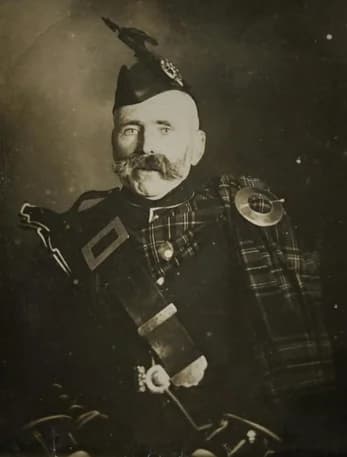
THE SECOND WORLD WAR · 1942
Vice Admiral Lachlan Donald Mackintosh
The Doune was once home to Vice Admiral Lachlan Donald Mackintosh, a senior naval commander whose service during the Second World War adds one of the most dramatic chapters to the estate's long history. He is buried at Daviot Church, just moments from the house.
In August 1942, whilst escorting a vital convoy to Malta as part of Operation Pedestal, the aircraft carrier HMS Eagle — under his command — was struck by four torpedoes fired by German U‑boat U‑73 south of Majorca. The ship sank with the loss of two officers and 158 ratings. Mackintosh survived, along with 926 crew members.
The Vice Admiral's story — of duty, survival and loss — is woven permanently into the fabric of this estate and the community of Daviot.
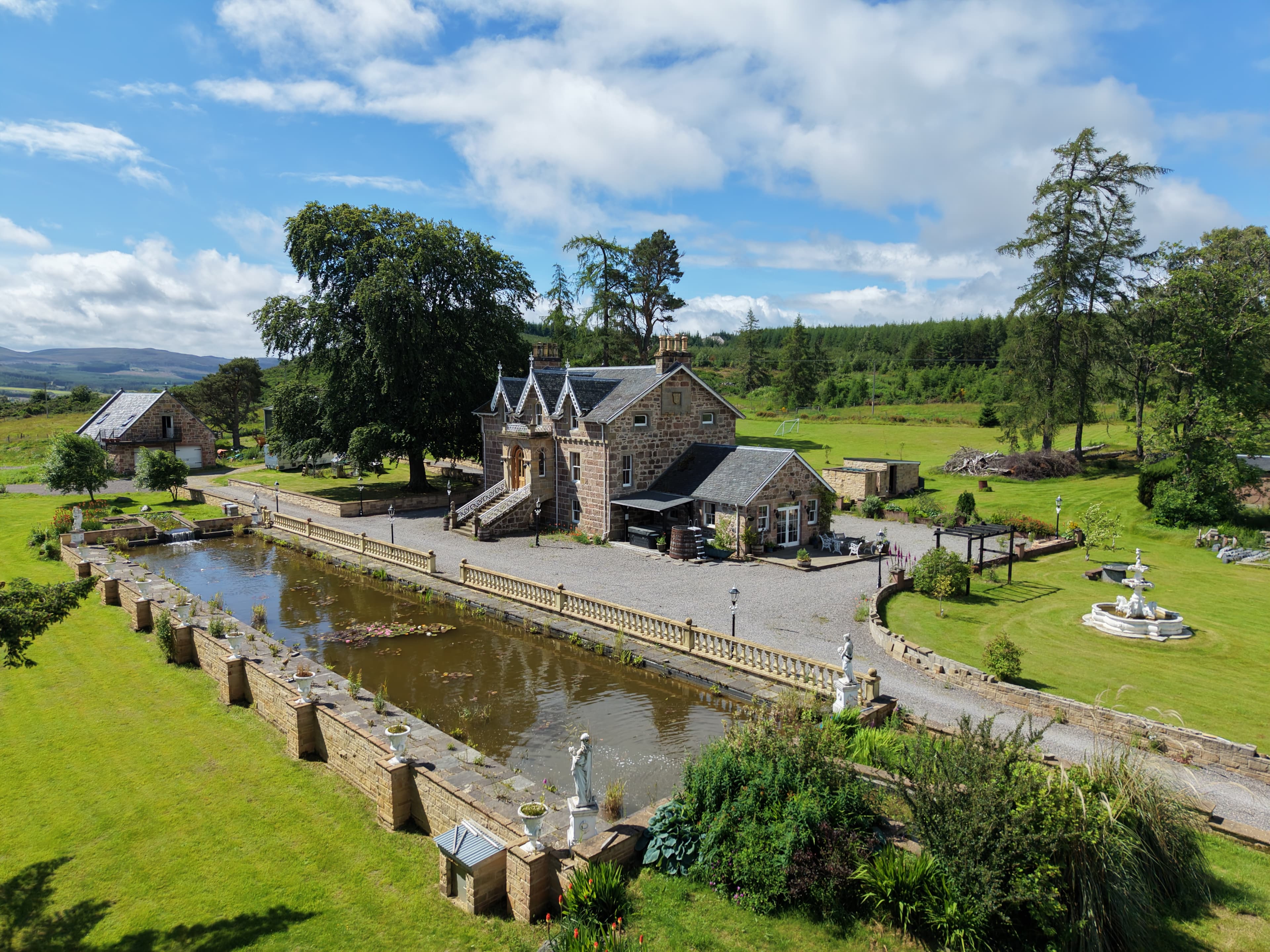
VICTORIAN ERA · 1856
Construction
The Doune was built in 1856 as the dowager house for Mackintosh of Moy — a house of quiet grandeur, crafted from the ancient stone of the Scottish Highlands. From its very first days, it was a place of refinement and character, shaped by the Victorian ideals of craftsmanship and elegance.
Seven different Victorian floor tile patterns run throughout the house, each one a testament to the artisans of the era. Among the most striking details is a reproduction of Gustav Klimt's The Kiss, rendered as a tile within the downstairs bathroom — a meeting of Victorian heritage and artistic ambition that defines the spirit of The Doune.
The statues of the Four Seasons stand sentinel around the reflecting pond, as they have for generations. If the walls of The Doune could speak, they would whisper stories from the Victorian age — a time of refinement, craftsmanship, and quiet grandeur that guests feel the moment they arrive.
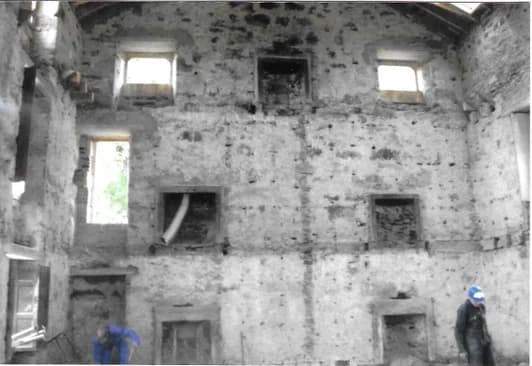
MODERN ERA · 2009
Restoration
When the current owners purchased The Doune in 2009, the house was a near ruin. The walls were damp, the interiors stripped back to bare stone, and the estate had fallen far from its Victorian splendour. What followed was one of the most ambitious private restoration projects in the Highlands.
Every external wall was insulated. All original internal doors were fully restored and rehung. Underfloor heating was installed across all three floors, powered by a ground-source heat pump housed in a soundproofed plant room. The seven Victorian tile patterns were preserved and celebrated rather than replaced.
The result was a house that appeared in the Mail on Sunday in January 2021 under the headline — Home is where the art is. Today, The Doune stands as a testament to what patient, considered restoration can achieve: a Victorian Highland estate, fully alive for the 21st century.
"Home is where the art is — Klimt's Kiss tiles and statues of the Four Seasons impress in this period gem."
THE MAIL ON SUNDAY · JANUARY 2021